
C-Section Recovery in Los Angeles: What to Expect and How to Heal Well
- ISABELLA KORETZ
- Apr 26
- 7 min read

Bringing a new baby into the world is one of life's most meaningful experiences, but when that birth happens through a cesarean section, the road to recovery requires extra time, extra care, and extra support. If you recently had a C-section in Los Angeles or are planning one, understanding what your body will go through in the days and weeks that follow can make a significant difference in how you heal.
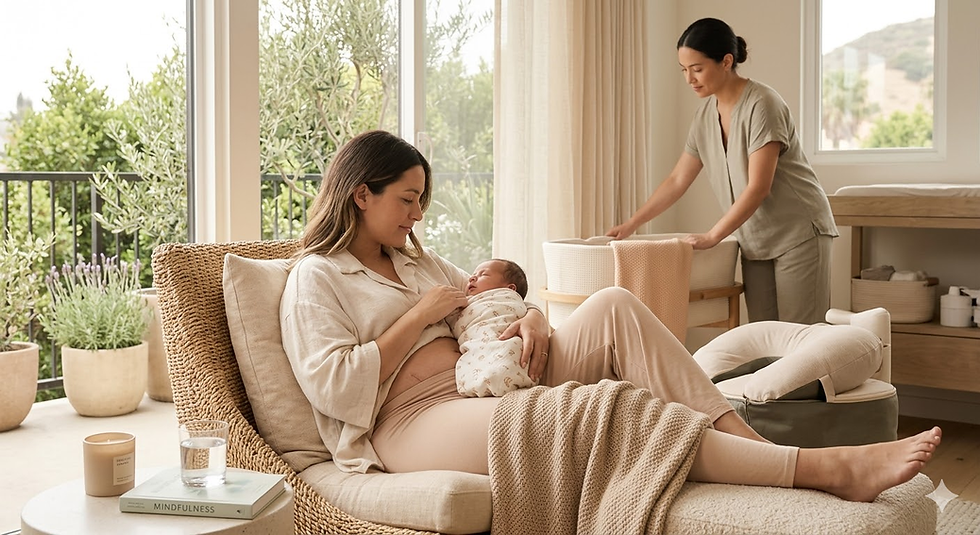
At Pearl Wellness Center LA, we work with new mothers navigating postpartum recovery every day. This guide walks you through what to expect during C-section recovery, practical strategies that support healing, and how professional postpartum care in Los Angeles can help you rest while someone else handles the details.
Key Takeaways
C-section recovery typically takes six to eight weeks for full healing, longer than vaginal birth recovery.
The first two weeks are the most physically demanding, with incision soreness, fatigue, and limited mobility.
Professional postpartum support helps new mothers rest more consistently, which directly improves recovery outcomes.
Nutrition, hydration, gentle movement, and wound care are foundational to a smooth C-section recovery.
Pearl Wellness Center LA offers overnight postpartum care, newborn support, and recovery planning for mothers throughout the Los Angeles area.
Table of Contents
What Is a C-Section and Why Recovery Takes Longer
A cesarean section is a major surgical procedure in which a baby is delivered through incisions made in the abdomen and uterus. According to the Mayo Clinic, C-sections account for nearly one in three births in the United States, making it one of the most commonly performed surgeries in the country.
Because a C-section involves cutting through multiple layers of tissue, including skin, fat, fascia, and the uterine wall, the body needs significantly more time to repair than it does after a vaginal birth. While vaginal deliveries typically require two to six weeks for full recovery, C-section recovery generally takes six to eight weeks, and some mothers find that certain sensations around the incision site persist even longer.
The recovery is not just physical. Hormonal shifts, sleep deprivation, the demands of caring for a newborn, and the emotional adjustment to a birth experience that may not have gone as planned all add layers of complexity that make postpartum support so valuable.
C-Section Recovery Timeline Week by Week
Understanding what is normal at each stage helps you set realistic expectations and recognize when something needs medical attention.
Recovery Phase | What to Expect | Key Focus Areas |
Days 1 to 3 | Incision soreness, limited mobility, catheter removal, afterpains, possible nausea | Pain management, gentle movement to prevent blood clots, rest |
Days 4 to 7 | Gradual improvement in mobility, soreness shifting to itchiness at incision site, fatigue | Wound care, hydration, short indoor walks |
Weeks 2 to 3 | Reduced pain, some doctors may clear driving, emotional sensitivity common | Nutrition, sleep prioritization, follow-up appointments |
Weeks 4 to 6 | Most mothers feel closer to normal; deeper healing still underway | Light activity, scar massage (if cleared), breastfeeding support |
Week 6 and beyond | Full recovery assessment with OB; return to exercise and intimacy discussed | Long-term core recovery, pelvic floor awareness |
Every mother's recovery is different. Those who had an emergency C-section following a long labor may experience a more demanding recovery than those who had a planned cesarean.
Essential C-Section Recovery Tips at Home
Prioritize Rest Above Everything Else
This is the most straightforward advice and the hardest to actually follow when you have a newborn. Rest is not a luxury during C-section recovery. It is a clinical necessity. Your body is healing from major abdominal surgery while simultaneously adjusting to the demands of a new baby. Accepting help from others so that you can sleep between feedings is one of the most impactful things you can do for your recovery.
This is one of the primary reasons many Los Angeles mothers seek professional postpartum recovery care. Having overnight support means someone else handles newborn soothing and diapering through the night so that you can get consecutive hours of sleep, which your healing body urgently needs.
Keep Your Incision Clean and Dry
Caring for your C-section incision properly reduces the risk of infection and supports healthy scar formation. Your OB will give you specific instructions, but in general you will want to wash gently with mild soap and water, pat dry, and avoid tight waistbands that press against the incision. Avoid submerging the incision in water until your provider confirms it has fully closed.
Watch for signs of infection, including increasing redness, warmth, swelling, discharge, or a fever above 100.4 degrees Fahrenheit. Contact your healthcare provider immediately if any of these develop.
Manage Pain Consistently
Pain after a C-section is real and expected. Most providers recommend alternating acetaminophen and ibuprofen on a consistent schedule during the first several days rather than waiting until pain becomes severe. Staying ahead of pain makes it easier to move around gently, which in turn helps prevent dangerous blood clots.
If your pain feels uncontrolled or is getting worse rather than better after the first several days, contact your OB. Worsening pain can sometimes signal a complication.
Move Gently but Start Early
Bed rest sounds appealing, but lying completely still after abdominal surgery increases the risk of deep vein thrombosis. Short, slow indoor walks starting within the first day or two of returning home are strongly encouraged by most OBs. These should be brief and gentle, not a fitness routine. The goal is circulation, not exercise.
Avoid lifting anything heavier than your baby for the first six weeks. That includes groceries, laundry baskets, and older children. Your abdominal muscles are compromised by the incision and need time to regain strength.
Eat to Heal
Nutrition plays a direct role in how quickly your body repairs tissue after surgery. Focus on foods that are protein-rich, anti-inflammatory, and hydrating. Constipation is a very common C-section side effect due to anesthesia and pain medication, so fiber-rich foods and plenty of water are especially important in the first weeks.
Foods That Support C-Section Healing | Foods to Limit |
Lean proteins: chicken, eggs, lentils | Processed and salty foods |
Leafy greens and colorful vegetables | Refined sugars |
Whole grains (oats, quinoa, brown rice) | Alcohol |
Berries and citrus for Vitamin C | Carbonated drinks (can worsen gas) |
Water, coconut water, herbal teas | Excessive caffeine |
Our guide on post-op recovery nutrition provides additional detail on how food choices support healing across all types of surgical recovery, including postpartum.
Looking for postpartum recovery support in Los Angeles? Pearl Wellness Center LA provides overnight care, meal coordination, hydration support, and newborn assistance so new mothers can focus entirely on healing. Reach out to our team today to build your care plan.
When to Seek Help During C-Section Recovery
Most C-section recovery follows a predictable course, but certain symptoms require prompt medical attention. Contact your OB or go to the emergency room if you experience any of the following:
Fever over 100.4 degrees Fahrenheit
Increasing redness, swelling, or discharge at the incision site
Pain that is worsening after the first few days rather than improving
Heavy vaginal bleeding that soaks more than one pad per hour
Leg swelling, redness, or pain in one calf (possible blood clot)
Shortness of breath or chest pain
Severe sadness, inability to care for yourself or your baby, or thoughts of self-harm (signs of postpartum depression requiring immediate care)
Postpartum depression affects a meaningful number of new mothers and is not something to push through alone. If you are experiencing persistent low mood, anxiety, or emotional numbness after your C-section, please talk to your healthcare provider as soon as possible.
How Professional Postpartum Care Supports C-Section Healing
The most common reason C-section recovery goes longer or harder than expected is not a medical complication. It is exhaustion from trying to do too much too soon. Many mothers in Los Angeles simply do not have the family nearby to provide the level of support their healing bodies need.
That is where Pearl Wellness Center comes in.
Our postpartum recovery care is designed for exactly this scenario. Whether you are a first-time mother healing from a planned cesarean or a second-time mom who had an emergency C-section after a long labor, our team provides practical, compassionate support that allows you to rest.
Our C-section recovery support includes:
Overnight postpartum support so you get consistent sleep between feedings
Newborn assistance including soothing, diapering, and basic routine support (non-medical)
Maternal comfort and mobility assistance during the early days when moving is painful
Meal coordination and hydration support to keep your nutrition on track
Transportation to postpartum appointments throughout the Los Angeles area
Emotional check-ins and rest coaching to reduce the overwhelm that often accompanies new motherhood after surgery
Private transportation to follow-up visits with your OB
We serve mothers across the LA area, including Beverly Hills, Century City, West Hollywood, Santa Monica, Brentwood, Culver City, and surrounding neighborhoods.
If you are planning your C-section recovery and want to understand what level of support makes sense for your household, a quick consultation with our care team can help you build a realistic plan. Contact Pearl Wellness Center to get started.
You can also learn more about what makes hotels safer and more convenient for postpartum recovery and explore our accommodations at the Fairmont Century City for mothers who prefer a private, supported recovery environment outside the home.
FAQs
How long does C-section recovery take?
C-section recovery typically takes six to eight weeks for full healing. The first two weeks are the most physically demanding. Soreness, fatigue, and limited mobility are common, gradually improving with proper rest, wound care, and nutrition.
What should I avoid during C-section recovery?
Avoid lifting anything heavier than your baby, strenuous activity, submerging the incision in water, and tight clothing over the scar for at least six weeks. Always follow your OB's specific instructions for your recovery.
How can I manage pain after a C-section?
Most OBs recommend alternating acetaminophen and ibuprofen on a scheduled basis in the first days after returning home. Stay ahead of pain rather than waiting until it becomes severe. Consult your provider before adjusting any medication.
What are warning signs after a C-section I should not ignore?
Seek immediate care for fever above 100.4°F, worsening incision redness or discharge, heavy bleeding, leg pain or swelling, chest pain, or signs of postpartum depression such as severe sadness or difficulty functioning.
What does postpartum care from Pearl Wellness Center include?
Pearl Wellness Center provides overnight support, newborn assistance, meal coordination, hydration support, comfort care, and transportation to appointments. Support is tailored to each mother's recovery needs and household situation throughout Los Angeles and nearby areas.
Plan Your C-Section Recovery with Confidence
A C-section is major surgery, and your recovery deserves serious support. At Pearl Wellness Center LA, we help new mothers in Los Angeles heal with less stress, more rest, and the practical assistance that makes the difference between a difficult postpartum period and one where you genuinely feel taken care of.
Contact our team to discuss your postpartum care needs, or explore our full services menu to learn how we can support your recovery journey.
References
Mayo Clinic: C-Section Recovery: What to Expect
National Library of Medicine (PMC): Postpartum recovery of nulliparous women following scheduled cesarean delivery and spontaneous vaginal delivery



Comments