
How to Reduce Swelling After Plastic Surgery: Tips, Timelines, and Therapies in Los Angeles

Swelling after plastic surgery is not just uncomfortable. For many patients, it is the most psychologically challenging part of recovery. You have been through a procedure, you want to see your results, and instead you are facing puffiness, tightness, and a body that looks nothing like what you expected. You are not alone, and more importantly, most of this is entirely normal and manageable.
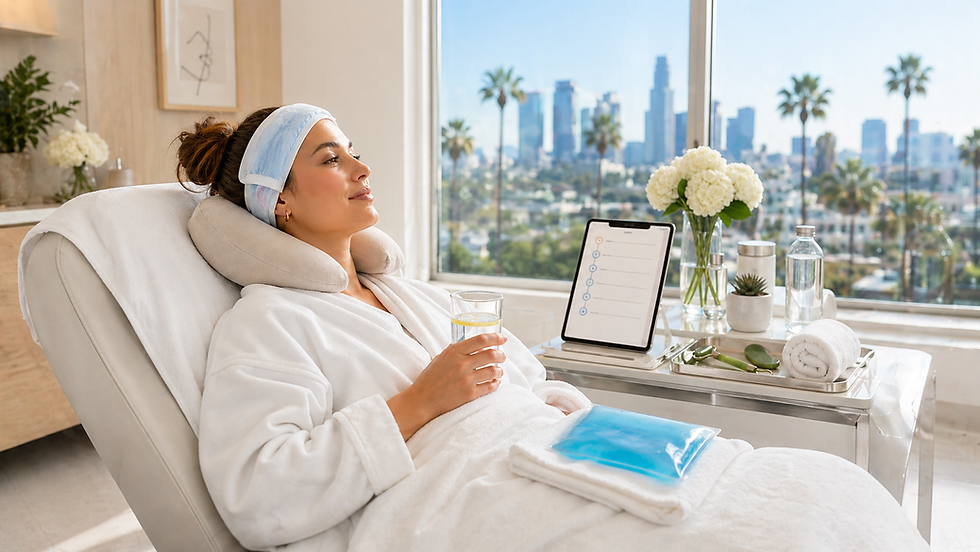
Understanding why swelling happens, how long it typically lasts, and what you can actively do to reduce it puts you back in control of your recovery. This guide covers all of it, with practical, evidence-based strategies that Los Angeles patients can start applying from day one.
Key Takeaways
Post-surgical swelling is a normal immune response and peaks at 48 to 72 hours after most cosmetic procedures.
Most major swelling resolves by weeks four to six, but residual swelling can persist for three to six months.
Elevation, compression, lymphatic drainage, and proper hydration are the four pillars of swelling management.
Sodium, alcohol, and heat should be avoided as they significantly worsen post-op swelling.
IV therapy, lymphatic massage, and professional aftercare can measurably accelerate swelling reduction.
Table of Contents
Why Does Swelling Happen After Plastic Surgery?
Swelling after surgery is not a complication. It is the body's natural inflammatory response to tissue trauma. When tissues are cut, manipulated, or suctioned during a procedure, the immune system floods the area with fluid, white blood cells, and healing compounds. That fluid is what causes swelling, puffiness, and the sensation of tightness.
The lymphatic system, which is responsible for draining that excess fluid, is often disrupted during surgery, particularly in procedures involving liposuction. When these drainage pathways are interrupted, fluid accumulates faster than it can clear, leading to the pronounced swelling most patients see in the first two weeks post-op.
This is also why certain procedures produce more dramatic swelling than others. Liposuction, tummy tucks, and BBLs all involve significant tissue disruption, which means more fluid accumulation. Facial procedures like rhinoplasty or blepharoplasty typically produce more visible bruising but less volume swelling compared to body procedures.
Post-Op Swelling Timeline by Procedure
Procedure | Peak Swelling | Major Resolution | Full Resolution |
Liposuction | Days 3 to 5 | Weeks 4 to 6 | 3 to 6 months |
Tummy Tuck | Days 3 to 7 | Weeks 6 to 8 | 6 to 12 months |
BBL | Days 2 to 5 | Weeks 4 to 6 | 3 to 6 months |
Breast Augmentation | Days 2 to 4 | Weeks 3 to 5 | 3 to 6 months |
Rhinoplasty | Days 3 to 5 | Weeks 8 to 10 | 12 months (tip) |
Facelift | Days 3 to 7 | Weeks 4 to 6 | 6 to 12 months |
These timelines are general guides. Individual healing varies based on age, nutrition, hydration, activity levels, and the quality of post-operative care.
The Four Pillars of Swelling Reduction After Surgery
1. Elevation Keeping the surgical area elevated above heart level whenever possible helps fluid drain away from the site through gravity. For facial procedures, sleeping with your head elevated on two or three pillows is critical. For body procedures, elevation of the lower extremities and careful positioning specific to your procedure is important. Your surgeon will give you specific positioning instructions.
2. Compression Compression garments apply gentle, consistent pressure that limits the space available for fluid accumulation and helps tissues adhere uniformly during healing. Wearing your compression garment as directed is one of the most effective tools you have to reduce swelling. Do not remove it longer than necessary in the early recovery weeks.
3. Lymphatic Drainage Massage Post-op lymphatic drainage massage actively moves accumulated fluid toward functioning lymph nodes where it can be processed and cleared. This is especially important for liposuction, BBL, and tummy tuck patients. Consistent sessions in the first two to four weeks post-op visibly and measurably reduce swelling faster than rest alone.
4. Hydration Counterintuitively, drinking more water helps reduce swelling. When the body is dehydrated, it holds onto fluid as a protective mechanism. Staying well-hydrated tells the body it does not need to retain excess fluid. Aim for at least eight to ten glasses of water per day during recovery.
Foods and Lifestyle Factors That Worsen Swelling
Sodium: The single biggest dietary contributor to post-surgical swelling is excess sodium. Salt causes the body to retain water. During recovery, even normally tolerable sodium levels can cause significant additional puffiness. Avoid processed foods, canned goods, fast food, and added salt.
Alcohol: Alcohol causes blood vessel dilation and fluid shifts that worsen swelling. It also dehydrates the body and can interact with pain medications. Avoid entirely during the first two to four weeks.
Heat: Hot showers, saunas, hot tubs, and sun exposure all increase blood flow and vessel dilation, which amplifies swelling. Use lukewarm water and avoid direct heat to surgical areas.
Inactivity: While rest is important, prolonged immobility slows circulation and lymphatic drainage. Short, gentle walks as soon as cleared by your surgeon help fluid move through the body.
Advanced Therapies That Help: Lymphatic Drainage and IV Therapy
Two therapies available at Pearl Wellness Center in Los Angeles have demonstrated particular value in managing post-surgical swelling.
Lymphatic drainage massage directly addresses the disrupted lymphatic pathways caused by surgery. Consistent early sessions can accelerate visible swelling reduction and help prevent fibrosis.
IV therapy and recovery drips support swelling reduction from the inside. IV vitamin C has been specifically noted to help reduce bruising and swelling after cosmetic surgery by supporting vascular integrity and tissue repair. IV hydration also ensures optimal fluid balance when oral intake is limited.
When Swelling Is Normal vs. When to Call Your Surgeon
Most swelling in the first two weeks is expected. However, contact your surgeon promptly if you notice swelling that is rapidly worsening after the first few days rather than gradually improving, swelling accompanied by increasing warmth, redness, or firm hardness at the site, fever above 101°F, swelling with shortness of breath or chest pain, or significant swelling in one leg that differs from the other (which may indicate a DVT).
Professional Swelling Support in Los Angeles
If you are recovering from plastic surgery in Los Angeles and want structured, professional support for swelling management, Pearl Wellness Center provides a coordinated care approach that combines lymphatic drainage, IV therapy, compression guidance, and cosmetic surgery aftercare in one luxury recovery setting at the Fairmont Century Plaza.
Contact us to plan your post-surgical recovery support and swelling management program in Los Angeles.
Frequently Asked Questions
How long does swelling last after plastic surgery?
Major swelling typically resolves within four to eight weeks depending on the procedure. Residual swelling, especially after tummy tucks and body contouring, can persist for three to six months or longer.
Does drinking water reduce swelling after surgery?
Yes. Adequate hydration tells the body it does not need to retain excess fluid, which can help reduce post-surgical swelling. Aim for eight to ten glasses daily during recovery.
What reduces swelling fastest after liposuction?
Consistent lymphatic drainage massage, compression garment wear, low-sodium diet, elevation, and adequate hydration together produce the fastest swelling reduction after liposuction.
Is it normal to have more swelling at night after surgery?
Yes. Fluid tends to pool with prolonged sitting or lying in one position. Gentle movement during the day and proper elevation while resting helps manage this. Morning swelling is typically less than evening swelling.
Does IV therapy help with post-surgical swelling?
IV vitamin C has been shown to help reduce bruising and swelling after cosmetic surgery. IV hydration also supports optimal fluid balance and circulation during recovery.
References:
Royal National Orthopaedic Hospital: Eating Well Before and After Surgery
AZ IV Medics: IV Therapy After Surgery for Faster Recovery


Comments